


If you’re in debt, you’re not alone. Millions of people struggle with debt every day, and it can feel overwhelming and hopeless at times. The current cost of living crisis has ripped through people’s financial stability, causing stress, overwhelm and additional debt. However, there are steps you can take to get out of debt faster and regain control of your finances. Here are five debt payoff strategies to consider.
Debt Payoff Strategies.
Create a budget
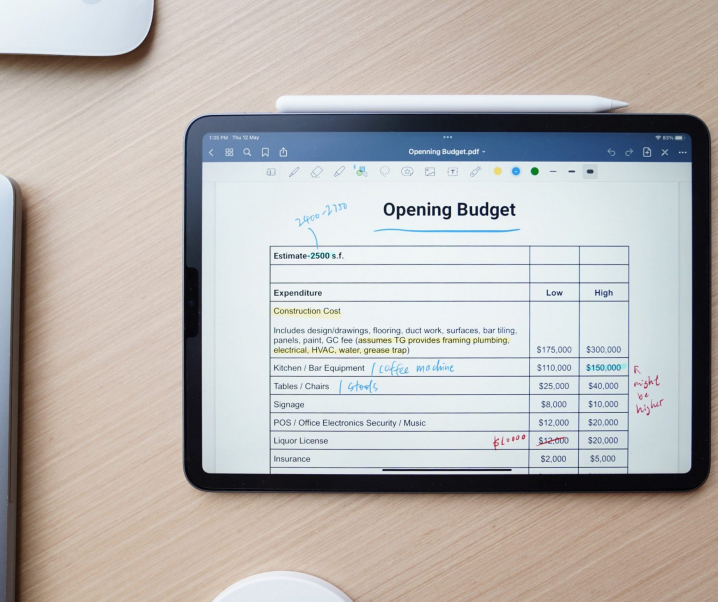
The first step to paying off debt is to create a budget. This means tracking your income and expenses, and figuring out how much money you have left over each month to put towards your debt. You can use a spreadsheet, a budgeting app, or just pen and paper to create your budget (there are free budgeting and debt tracker printables in my shop which you can download to your device and print!). The important thing is to be realistic about your expenses and find ways to cut back where you can. By creating a budget, you’ll be able to see exactly how much money you have available to pay down your debt.
Make extra payments
One of the most effective ways to pay off debt faster is to make extra payments whenever possible. This means putting more money towards your debt than the minimum payment required each month. The more you can pay, the faster your debt will be paid off. Consider using any extra money you receive, such as bonuses or tax refunds, to pay down your debt. You can also look for ways to earn extra income, such as taking on a part-time job or selling items you no longer need.

Use the debt snowball method:
The debt snowball method is a popular debt payoff strategy that involves paying off your smallest debts first, then moving on to larger debts. Start by listing all of your debts from smallest to largest, regardless of interest rate. Then, focus on paying off the smallest debt first while making minimum payments on your other debts. Once the smallest debt is paid off, take the money you were putting towards that debt and apply it to the next smallest debt on your list. Repeat this process until all of your debts are paid off.
Consolidate your debt:
If you have multiple debts with high interest rates, consolidating your debt could be a smart strategy for you. This involves taking out a new loan to pay off all of your existing debts, leaving you with just one monthly payment to make. Consolidating your debt can lower your interest rate and make it easier to keep track of your payments. However, it’s important to choose a reputable lender and read the terms and conditions carefully before consolidating your debt.
Seek professional help:
If you’re struggling with debt and don’t know where to turn, seeking professional help can be a good option. There are many non-profit organisations and credit counselling services that can help you create a debt management plan and negotiate with your creditors. They can also provide education and resources to help you get back on track financially.
Getting out of debt can be a challenging and daunting task, but with a little bit of planning, commitment & frugal living changes, it’s possible to overcome, so don’t feel like it’s impossible. By creating a budget, making extra payments, using the debt snowball method, consolidating your debt, and seeking professional help, you can take control of your debt and work towards financial freedom. Remember to be patient and stay committed to your goals. It might take time, but with dedication and smart strategies, you can overcome your debt and achieve financial stability.
Here are three charities that may be able to provide resources and assistance to those struggling with debt and financial management: Which ever you choose make sure you go with a free charity which will not charge you for their support.
- Contact the UK’s leading debt charity to get expert debt advice and fee-free debt management to help you tackle your debts. StepChange Debt Charity here – https://www.stepchange.org/
- National Debtline is a debt advice service run by the Money Advice Trust. Contact them here – https://nationaldebtline.org/
- Breathing Space – https://www.stepchange.org/how-we-help/breathing-space-scheme.aspx officially called the Debt Respite Scheme, is a government scheme which could help relieve some of the pressure and stress caused by being in debt.













What do you think?