


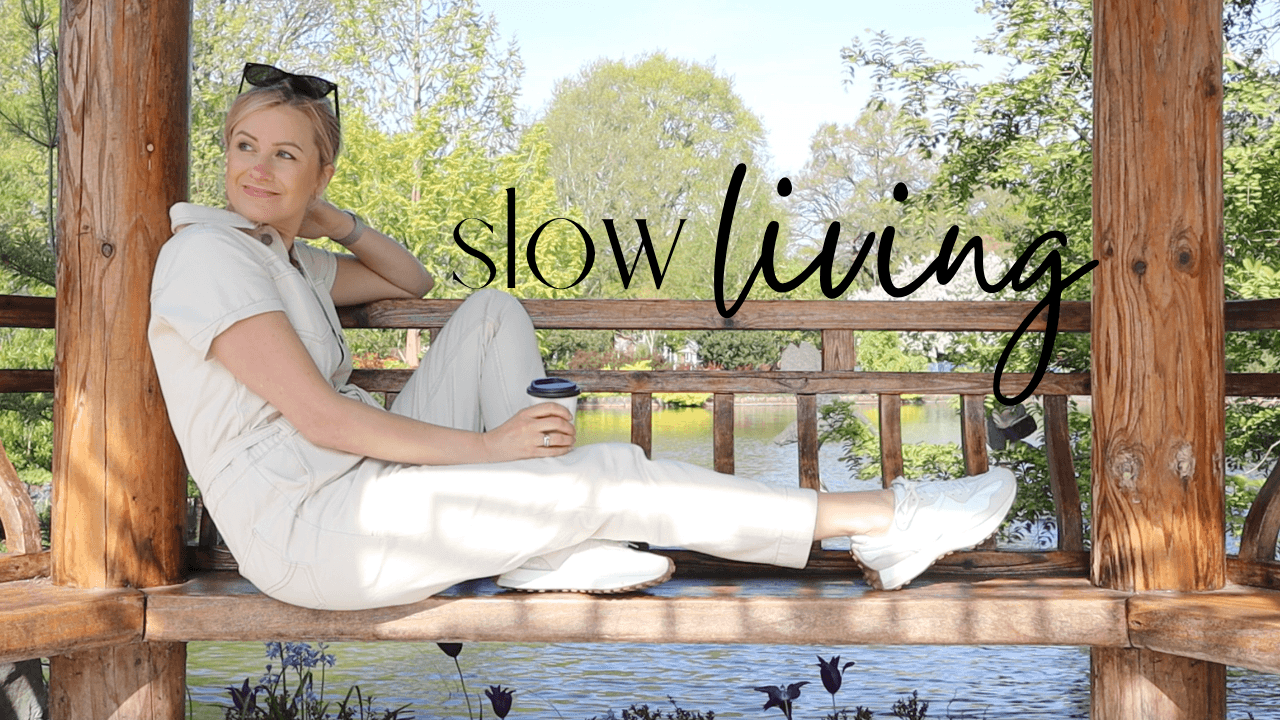
Slow living and money saving can work together harmoniously to help you save money while embracing a more intentional and fulfilling lifestyle. There are many tips here to help you save money, make money and budget your money. But recently I’ve been interested in adopting a slow living lifestyle, and documenting this journey over on YouTube and it got me thinking; there must be a huge connection between living slowly and simply and saving money and being frugal.

So let’s dive in. Here are some ideas to expand on this for anyone interested in slow living and how living a simple life can help save money and be more intentional.
Discover the art of slow living and money saving.
- Mindful spending: Slow living encourages us to be mindful and intentional about our purchases. By practicing mindfulness and considering our true needs and values, we can avoid impulsive buying and unnecessary expenses. Taking the time to evaluate whether a purchase aligns with our priorities can help us save money by avoiding impulse buys and focusing on what truly brings us joy and value.
- Minimalism and decluttering: Slow living often involves embracing minimalism and decluttering our lives. By simplifying our possessions and focusing on what truly matters, we can reduce the urge to accumulate material goods. This can lead to significant cost savings by avoiding unnecessary purchases, reducing storage costs, and even allowing us to sell or donate items we no longer need.
- DIY and handmade: Slow living encourages us to slow down and engage in activities that bring us joy and fulfilment. This can include embracing DIY projects, crafting, or creating handmade items. By making things ourselves, we can save money on buying expensive products or services. For example, you can try DIY home repairs, homemade skincare products, or even growing your own fruits and vegetables, reducing your reliance on store-bought items and saving money in the process.

Life is not a race to the finish line; it’s a collection of beautiful moments along the way.
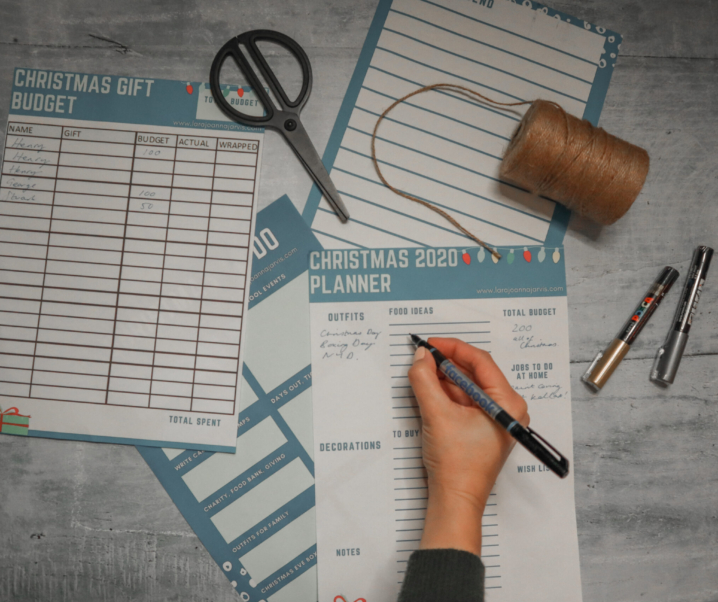
- Slow food and meal planning: Slow living encourages us to savour our meals, embrace cooking from scratch, and appreciate the process of food preparation. By planning our meals in advance, cooking at home, and reducing reliance on processed or convenience foods, we can save money on dining out or ordering takeout. Slow food practices such as batch cooking, using seasonal ingredients, and reducing food waste can also contribute to significant cost savings.
- Embracing frugality: Slow living often emphasises the value of experiences and connections over material possessions. By shifting our focus from consumption to meaningful experiences, we can find joy and fulfilment in simpler and more affordable activities. This might involve exploring free or low-cost hobbies such as hiking, picnics in nature, reading, or spending quality time with loved ones. By embracing frugality and finding happiness in the simple pleasures of life, we can save money and reduce our dependence on expensive forms of entertainment or material goods.
- Conscious consumerism: Slow living promotes conscious consumerism, which involves being aware of the impact of our purchases on the environment and society. By supporting ethical and sustainable brands and making conscious choices about the products we buy, we can align our spending with our values while also potentially saving money in the long run. For example, investing in high-quality, durable items may initially be more expensive, but they can save money in the long term by reducing the need for frequent replacements.
- Resourcefulness and repurposing: Slow living encourages us to be resourceful and find creative solutions to meet our needs. Instead of always buying new items, consider repurposing or up-cycling things you already have or purchasing second-hand items. This can help save money and reduce waste by giving new life to existing items.
Slow down and enjoy the journey.
By combining the principles of slow living with a focus on mindful spending, minimalism, frugality, and conscious consumerism, you can create a lifestyle that not only brings you greater fulfilment but also helps you save money and live more sustainably, as well as getting to financial independence sooner.
If you’d like to dive deeper into the top of slow living and saving money, pop over to watch the video below.












What do you think?